Key Takeaways
- Start with good design: Consistent step dimensions, suitable materials and correct installation provide the foundation for a safer staircase.
- Know what to look for: Slippery treads, poor lighting, clutter and damaged components are among the most common hazards around the home.
- Consider your household's needs: Safety gates, balustrades and the choice between open and closed risers deserve extra attention when young children use the stairs.
- Understand the limits of DIY: Prefabricated stair kits provide installation guidance, but following the supplied drawings and confirming building requirements remain essential.
Going up and down stairs should feel steady and predictable. Each step needs suitable grip, consistent proportions and enough light to see where you're going. When any of these details fall short, even a familiar staircase can become more difficult to navigate.
In an existing home, practical stair safety tips start with recognising potential hazards and understanding what needs attention. For a new build or renovation, you can address many of those same concerns earlier through the design, materials and installation.
Start With a Well-Designed Staircase
Stair safety starts with a well-considered design. The proportions of each step, the materials underfoot and the structure supporting the staircase all affect how comfortably people move between levels.
Consistent riser heights and tread depths help create a predictable walking rhythm. The tread finish needs to provide suitable grip, and features such as handrails, balustrades and lighting should be planned alongside the staircase rather than added as an afterthought.
Planning a DIY Staircase Installation
For owner-builders, accurate measurements and a clear installation plan are essential. Prefabricated options, such as Aussie Stairs' DIY stair kits, come with labelled components, detailed production drawings and step-by-step installation guidance to help experienced owner-builders understand how the staircase fits together.
Before installation, there are three important checks:
- Confirm your measurements: Check the site dimensions and fixing locations against the supplied drawings.
- Follow the design: Install the components as specified, and seek advice before changing structural details or fixing arrangements.
- Check building requirements: Confirm the applicable design, installation and approval requirements with your building certifier.
The Australian stair standards that apply depend on the project. Following the supplied drawings is essential, but approval also depends on the completed installation and relevant site requirements.

Common Stair Hazards to Look Out For
Even a carefully designed staircase can develop problems through everyday use. A quick walk-through is a useful way to work out how to make stairs safer, starting with anything that affects your footing, visibility or support.
The most common stair hazards fall into five categories:
- Tripping hazards: Uneven steps, lifted carpet edges and loose nosings can catch your foot as you walk.
- Slippery surfaces: Moisture, cleaning residue, worn coverings and certain finishes can reduce grip.
- Poor lighting: Shadows, glare and dimly lit areas can make it difficult to distinguish individual steps.
- Clutter: Shoes, toys and other household items can obstruct the walking path.
- Damaged components: Cracked treads, loose fittings and unexpected movement may indicate wear or underlying problems.
Clearing obstacles, cleaning up spills and replacing faulty lights can address several everyday hazards. For damaged steps or loose fittings, establish the cause before attempting repairs.
How to Make Slippery Stairs Safer
Slippery stairs don't always need replacing. The cause may be as simple as cleaning residue, or it could involve a worn finish, loose covering or deteriorating tread. Identifying what's affecting the surface helps you choose an improvement that addresses the problem.
Check the Condition of Your Stair Treads
Start with a few practical checks:
- Look for moisture or residue: Clean the steps with products suited to the material and check their grip once dry.
- Inspect coverings: Make sure carpet, runners and other finishes are securely attached, with no lifted edges.
- Check the tread itself: Look for cracks, excessive wear or movement that could indicate damage beneath the surface.
A stable tread with a worn or unsuitable finish may benefit from a compatible slip-resistant treatment. If the tread is damaged or unstable, arrange an assessment before making surface changes.
Choose Suitable Treads, Finishes and Nosings
For new staircases, the choice of tread material and finish can make a difference to everyday grip. Timber, steel and other materials are available with various surface treatments, so consider the finished product rather than relying on appearance alone.
When selecting stair treads, think about their location, the amount of foot traffic they'll receive and any exposure to moisture. Ask about the slip resistance of the finish, particularly in areas where the stairs may become wet.
Stair nosings also play a role. The nosing forms the front edge of each step, helping make the tread edge easier to distinguish. Certain nosing designs can provide additional traction or protect the edge from wear.
Any added nosing should be compatible with the tread and securely fitted. Raised or loose edges can create tripping hazards, so the fixing method needs as much attention as the finish.
Improve Staircase Lighting and Visibility
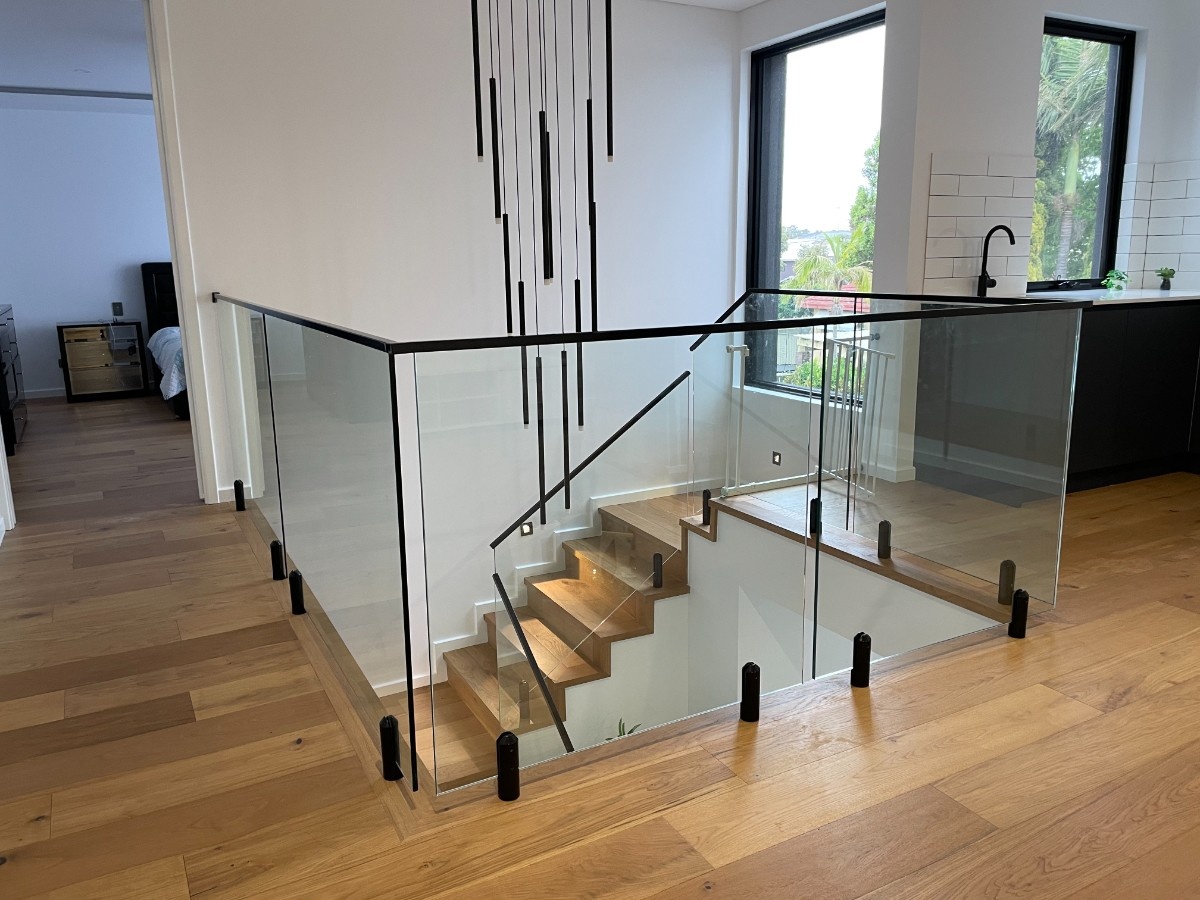
Good lighting makes it easier to judge the position of each step, particularly when descending stairs or moving around your home at night. Even a brightly lit room can leave shadows across a staircase, so consider how light reaches the treads and landings rather than focusing on brightness alone.
Three details are worth checking:
- Even lighting: Each step and landing should be clearly visible, including changes in direction.
- Defined step edges: Suitable contrast between the treads and surrounding surfaces can make changes in level easier to recognise.
- Accessible switches: Being able to turn on the lights from both ends of the staircase makes them more convenient to use.
Ceiling fixtures, wall-mounted lights and integrated step lighting can all work well, depending on the layout. Integrated LEDs can complement a modern staircase, although adequate general lighting remains important. Have any new electrical fixtures or wiring alterations completed by an appropriately licensed electrician.
How Balustrades and Handrails Contribute to Safety
Handrails and balustrades provide different forms of protection as you move between levels.
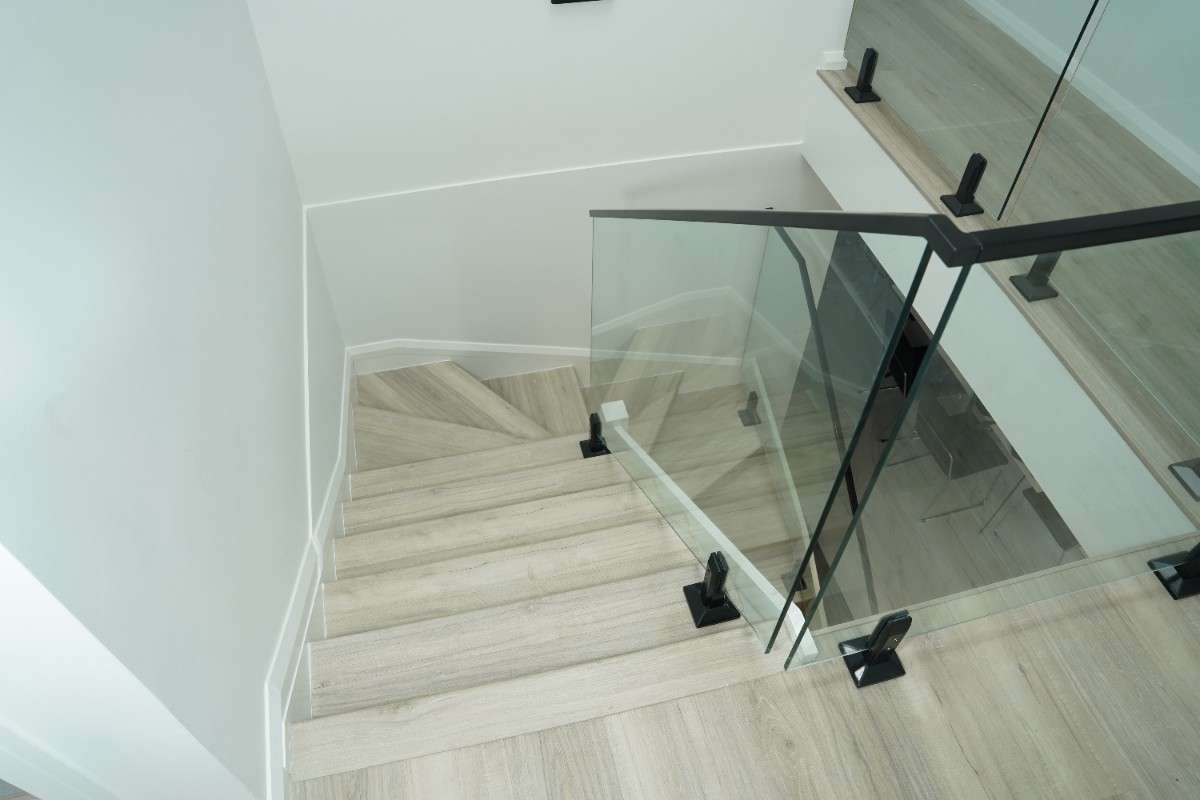
A handrail offers a secure surface to hold while using the stairs. A balustrade forms a protective barrier along exposed edges of staircases and landings, helping prevent falls from the side.
Their placement, fixing methods and supporting structure need to suit the staircase design and applicable building requirements. Understanding how these parts of a staircase fit together is particularly useful when planning a new installation or changes to an existing staircase.
For stairs already in use, check that the handrail feels firm and that balustrade posts, panels and connections remain secure. Visible damage or movement should be assessed before relying on the affected components for support.
How to Childproof Stairs in a Family Home
Young children interact with staircases differently from adults. Toddlers may attempt to climb steps or explore openings before they can navigate stairs confidently, making access control and the overall design important considerations.
Look at the staircase from a child's perspective. Accessible openings, barriers with features that could be used for climbing and smooth tread finishes all deserve attention when planning a family-friendly design.
Choosing and Installing Suitable Safety Gates
Safety gates can help restrict access to the staircase while children are young. Depending on the layout, gates may be appropriate at the top and bottom of the flight.
The Australian Competition and Consumer Commission's safety gate guidance recommends hardware-mounted gates for high-risk areas such as stairs. These attach directly to suitable walls or posts rather than relying solely on pressure.
Before installing a gate, check that it has secure fixing points and can open without interfering with nearby handrails or creating a tripping hazard. Follow the manufacturer's instructions and regularly check the locking mechanism.
Safety gates provide an additional precaution, but young children still need supervision around stairs.
Open or Closed Risers: What Works for Families?
The choice between open and closed risers can affect how young children interact with a staircase.
Open-riser designs leave a visible space between each tread, allowing light to pass through and creating a more open appearance. However, toddlers may try to reach through or climb around accessible openings, so the design needs to meet the relevant requirements.
Closed-riser staircases have a solid panel between each step, removing those openings. This can be a practical option for families who prefer a more enclosed design while children are young.
Both styles can be suitable for family homes when properly designed. Consider the ages of the people using the stairs, the surrounding barriers and the relevant building requirements when comparing your options. Your building certifier can help confirm which design requirements apply to your project.
Keeping Your Staircase Safe Over Time
Long-term stair safety depends on recognising changes as materials and fittings age. A tread that once felt secure may begin to move, or a finish may gradually wear in the areas that receive the most foot traffic.
Routine maintenance helps preserve the condition of the staircase:
- Keep surfaces clean: Use products appropriate for the tread material and remove spills promptly.
- Maintain protective finishes: Follow the relevant care instructions and address worn coatings or coverings before they deteriorate further.
- Watch moisture-prone areas: Look for signs of corrosion, swelling or water damage.
- Check after building work: Renovations or alterations around the staircase may affect its supports or fixing points.
Pay particular attention to changes in how the staircase behaves. An unfamiliar creak accompanied by movement, a step that begins to flex or widening gaps around connections may indicate a problem beneath the surface.
These changes warrant professional assessment rather than a cosmetic repair. Identifying the underlying cause helps determine what work is needed to restore the staircase's stability.
When Full Staircase Installation Makes More Sense
Experienced owner-builders may be comfortable taking on a new staircase installation, particularly when working with prefabricated components and clear documentation. However, some projects involve structural changes or site conditions that require specialist skills and equipment.
Replacing a damaged staircase or changing its layout can involve complex structural supports, difficult access and coordination between trades. For projects of this nature, professional staircase design and installation may be more suitable than managing the installation yourself.

Planning Your Next Staircase Project
A well-designed staircase should feel secure underfoot, suit your household and complement your home. Get the design, materials and safety details right from the start with expert guidance from Aussie Stairs.
Ready to get started? Get in touch with our team to discuss your project, or visit our Maddington showroom to explore staircase designs and compare materials and finishes in person.
Frequently Asked Questions
Can I add anti-slip strips or a stair runner to existing stairs?
Both can improve grip when suitable for the staircase and installed correctly. Anti-slip strips need to be compatible with the tread finish, while runners require secure fitting to prevent movement or bunching. Neither should conceal damaged or unstable steps.
Is a creaking staircase a sign of structural damage?
Not necessarily. Materials can move with changes in temperature and humidity, sometimes causing creaking. New or worsening noises deserve closer attention, especially if accompanied by movement, visible gaps or cracking. A staircase professional can assess the cause.
Can I install a safety gate beside glass balustrades?
The gate needs suitable structural fixing points. Avoid drilling into glass or attaching hardware to balustrade components unless the system is specifically designed and approved for that purpose. Seek advice from a suitable installer about fixing locations.
What should I do if my DIY stair kit doesn't match my site measurements?
Stop the installation and compare the site conditions with the supplied production drawings. Contact your stair supplier before cutting, drilling or modifying components, as changes to fixing locations or structural details may need further technical advice or approval.
Do I need building approval to replace stair treads or balustrades?
Approval requirements depend on the work and the regulations applying to your property. Replacing a surface finish may have different requirements from altering a structural component or protective barrier. Check with your building certifier or relevant local authority before starting work that changes the staircase's design or structure.